Statistical process control (SPC) charts have been around for decades. These tools use statistical methods and sampling programs to help plant and operational leaders understand and control variability in their manufacturing process. But, according to TheManufacturer.com, nearly 61% of manufacturers are using pen and paper within their facilities - leading to manual record entry in SPC charts and graphs, making it nearly impossible to view trends over time.
The main objective of SPC is to manage operations better and reduce waste and rework. Plant and operations managers benefit from SPC because it gives them the concrete information and clear markers needed to stop a line and fix problems before things spin out of control.
But, if an organization is collecting critical SPC-related data such as weight checks using pen, paper, and/or manual data entry, they’re more likely to encounter issues like:
- Labor-Intensive Data Entry
- Delayed Decision-Making
- Human Error
- Product Loss
- Overpack
- Out-of-Spec Scrap
All of these mistakes are costly, impacting your bottom line, cutting into profits, and putting you in a position of noncompliance or at the risk of a costly recall.
Digitizing paper-based data collection processes and capturing automated data streams from machines and sensors (such as scales) insert real-time visibility into plantwide operations. By unifying data from multiple sources, manufacturers can empower frontline workers to take decisive corrective action and provide data-driven insights to management. The resulting improvements will drive top-line growth, and maximize throughput and yield within the facility.
When SPC data charted in real-time is combined with alerts triggered if processes begin to trend out of spec, Operations can be proactive while the line is running — versus catching a potentially costly mistake when the run is already done.
In this download, we’ll explore how Weaver Popcorn used SafetyChain to collect and trend weight data in real time, empower frontline workers to take decisive action, and provide data-driven business insights to aid management in driving top-line growth.

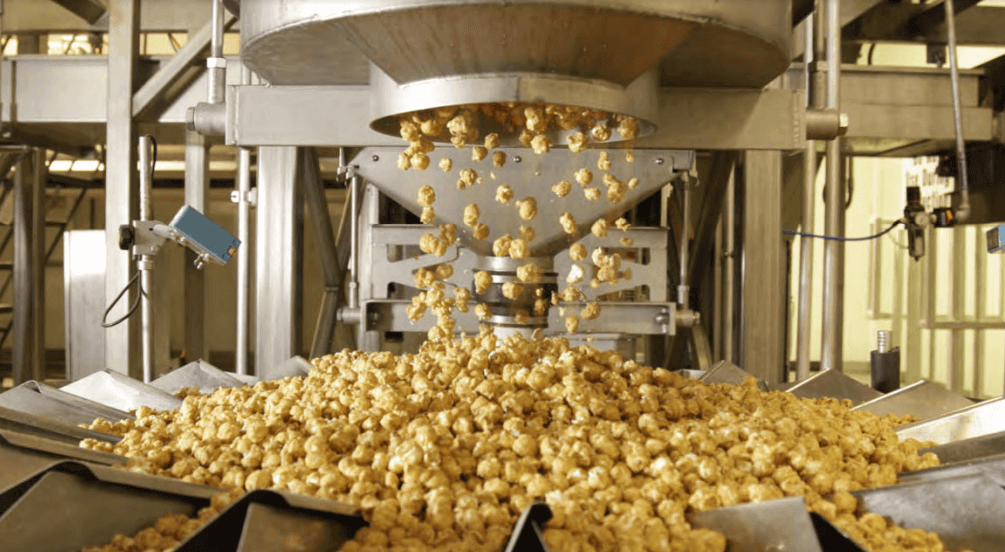
Weaver Popcorn Manufacturing: Confronting Supply Chain Challenges with Real-Time Data Insights
For nearly 100 years, Weaver Popcorn Bulk and the Pop Weaver brands have been a staple in the popcorn industry. The brands produce kernels, bulk kernels, portion packs, microwave popcorn, and ready-to-eat products throughout the United States and more than 90 other countries worldwide. Weaver Popcorn is fully integrated into itself with Weaver-controlled farms that take care of seeding, harvesting, cleaning, and processing their products, which ensures the highest quality and continued opportunity for innovation.
Strapped Supply Chain Leads to Potential Disruption
As with most agricultural products, Weaver’s popcorn kernels are grown for the next business cycle and bulk and retail contracts are secured a year in advance. As the COVID-19 pandemic hit, the Weaver team experienced the perfect storm – bulk sales to movie theaters took a hit but at-home and ready-to-eat products sold through grocery retailers were at an all-time high, and the U.S. corn belt was experiencing a drought. Together, these supply chain factors put Weaver Popcorn in a position where they did not have enough product to fulfill the contracts that had already been sold.
Investigation Lead To Discovery of 20% Overfill
The organization came together to explore different ways to make their existing product last through the contracts they needed to fulfill. The VP of Quality turned to the monitoring of key critical control points, including product weight. Moving these checks into SafetyChain from their home-grown system allowed them to monitor in real time to look for potential deviations.
Through charting and dashboards, they discovered they were overfilling across the board — upwards of 20% in some product lines.
Business Impact: Empowered Operators Make In-line Adjustments to Eliminate Overfill
Not only did the discovery of overpacking save millions of dollars in contracts, it uncovered other continuous improvement opportunities - including improving yield on packaging and reducing their scrap rates relative to overfill. It also gave operators the empowerment to monitor lines, ensure quality, and stop the line at any time if they see that product is trending out of spec leading to a more proactive shop floor. Having real-time insights at their fingertips has enabled operators and the company as a whole to navigate the most challenging circumstances, and improve overall operations to continue thriving thereafter.